The Academy delivers a comprehensive six-month development program designed to prepare aspiring guides for long-term careers in the safari and conservation sector.
The first three months focus on intensive training that blends classroom-based education with practical outdoor learning. Students develop core knowledge in wildlife identification, ecology, conservation principles, safety procedures, communication, and professional guiding techniques. Training is immersive and experience-driven, allowing participants to apply their learning directly in the field.
The second phase places trainees within partner conservancies and safari lodges for a three-month internship experience. During this placement, students work alongside experienced professionals and gain valuable exposure to guiding operations, hospitality standards, guest interaction, and day-to-day lodge environments.
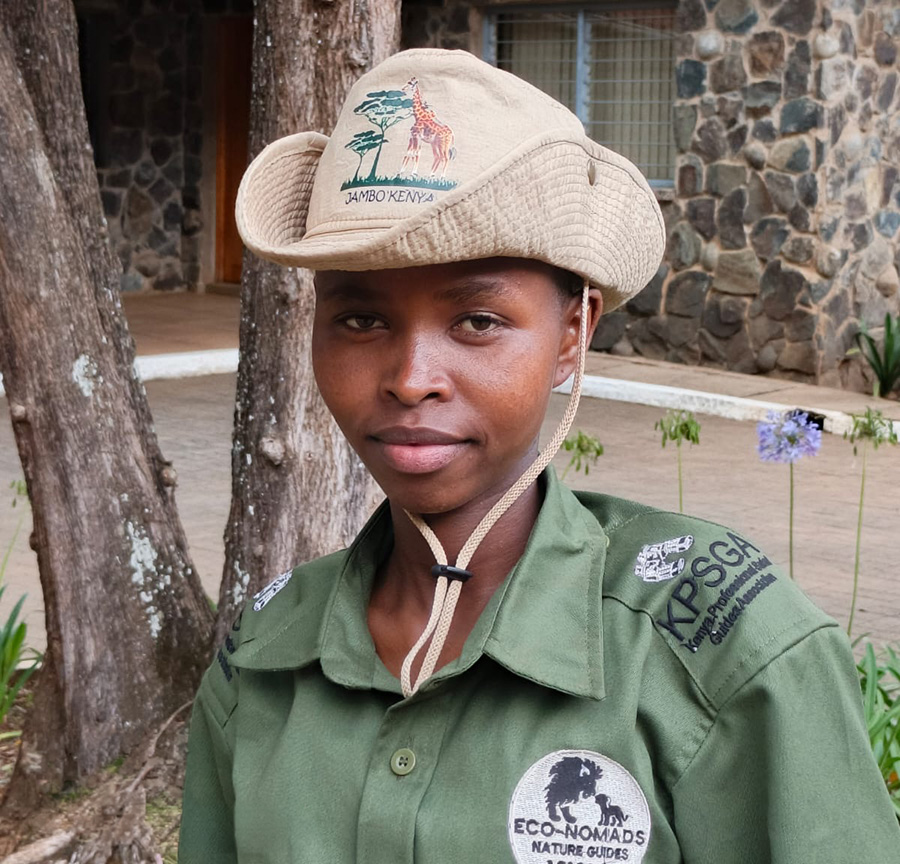
As trainees advance through the program, they are also supported in preparing for certification exams through the Kenya Professional Safari Guides Association (KPSGA). Students work toward recognized guiding levels including Bronze, Silver, and eventually Gold certification as they continue building industry experience.
The Academy’s support continues beyond graduation through mentorship opportunities, career guidance, and connections to employment pathways within tourism and conservation.
Following the success of the 2025 pilot cohort, which trained 25 young people, the Academy is expanding its impact through multiple annual cohorts, a more structured certification pathway, and deeper partnerships with conservation organizations, lodges, and tourism stakeholders.
Participants receive intensive instruction in:
Training combines classroom learning with daily field-based experiences.
Students are placed within partner lodges and conservancies where they gain:
Participants receive intensive instruction in:
Training combines classroom learning with daily field-based experiences.
Students are placed within partner lodges and conservancies where they gain:
I. Lectures
Module 1 – Guiding skills
Module 2 – Geology
Module 3 – Climate & Weather
Module 4 – Astronomy
Module 5 – Ecology
Module 6 – Biomes
Module 7 – Taxonomy
Module 8 – Plants
Module 9 – Arthropods
Module 10 – Fish
Module 11 – Amphibians
Module 12 – Reptiles
Module 13 – Birds
Module 14 – Mammals
Module 15 – Animal behaviour
Module 16 – Conservation & Habitat Management
Module 17 – Historical Human Habitation
II. Animals & Plants
Mammals & Alarm Calls
Birds & Nests
Amphibians
Snakes & Reptiles
Arthropods
Trees
Grasses & Flowers
The Academy prepares students for professional certification through the Kenya Professional Safari Guides Association (KPSGA). Participants are guided through the progression toward:
This pathway helps graduates build recognized qualifications and long-term career opportunities within the safari industry.
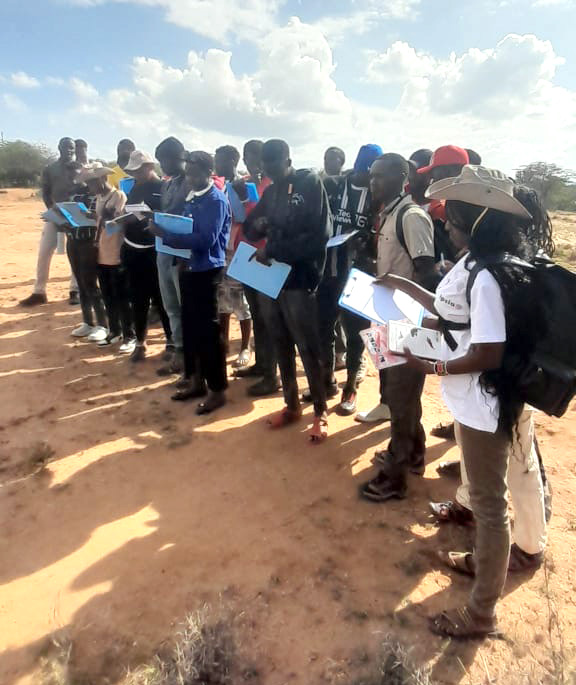
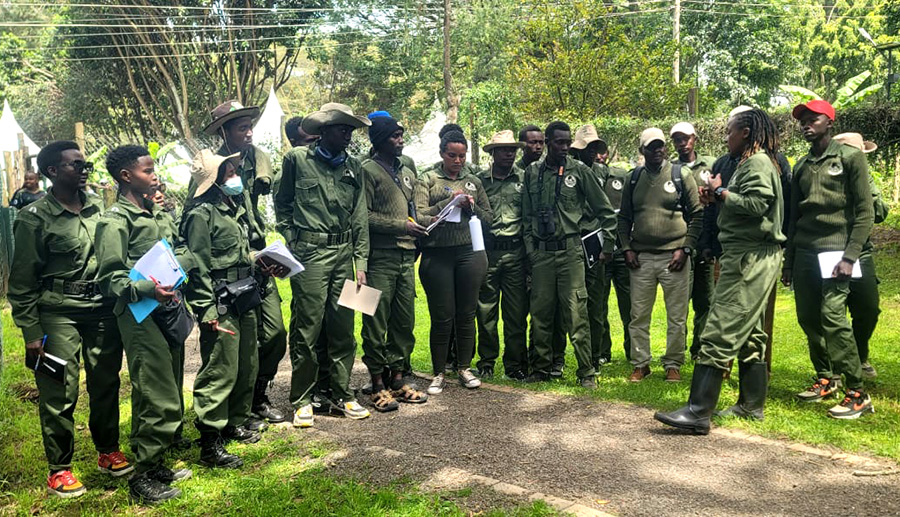
The Academy is designed for motivated young people from Northern Kenya who are seeking career opportunities within tourism, guiding, and conservation.
Typical participants may include:
The program actively supports both young women and young men, creating access to opportunities that may otherwise be limited in remote communities.
The Eco-Nomads Nature Guides Academy is creating a pathway for local youth to become future conservation leaders, professional safari guides, and ambassadors for Northern Kenya’s wildlife and communities.
By combining education, mentorship, certification, and direct industry experience, the program helps students build sustainable careers while strengthening conservation and tourism across the region.
Whether through partnerships, mentorship, internships, or sponsorship, the Academy welcomes collaboration from organizations and individuals who share a commitment to conservation, education, and community empowerment.